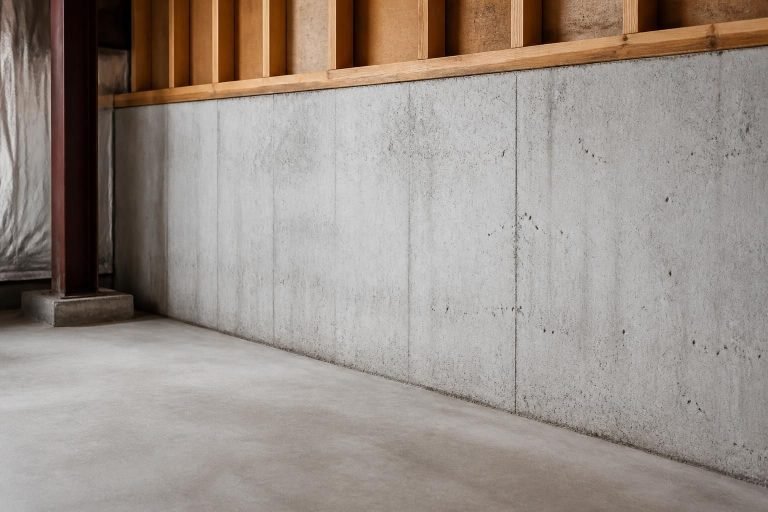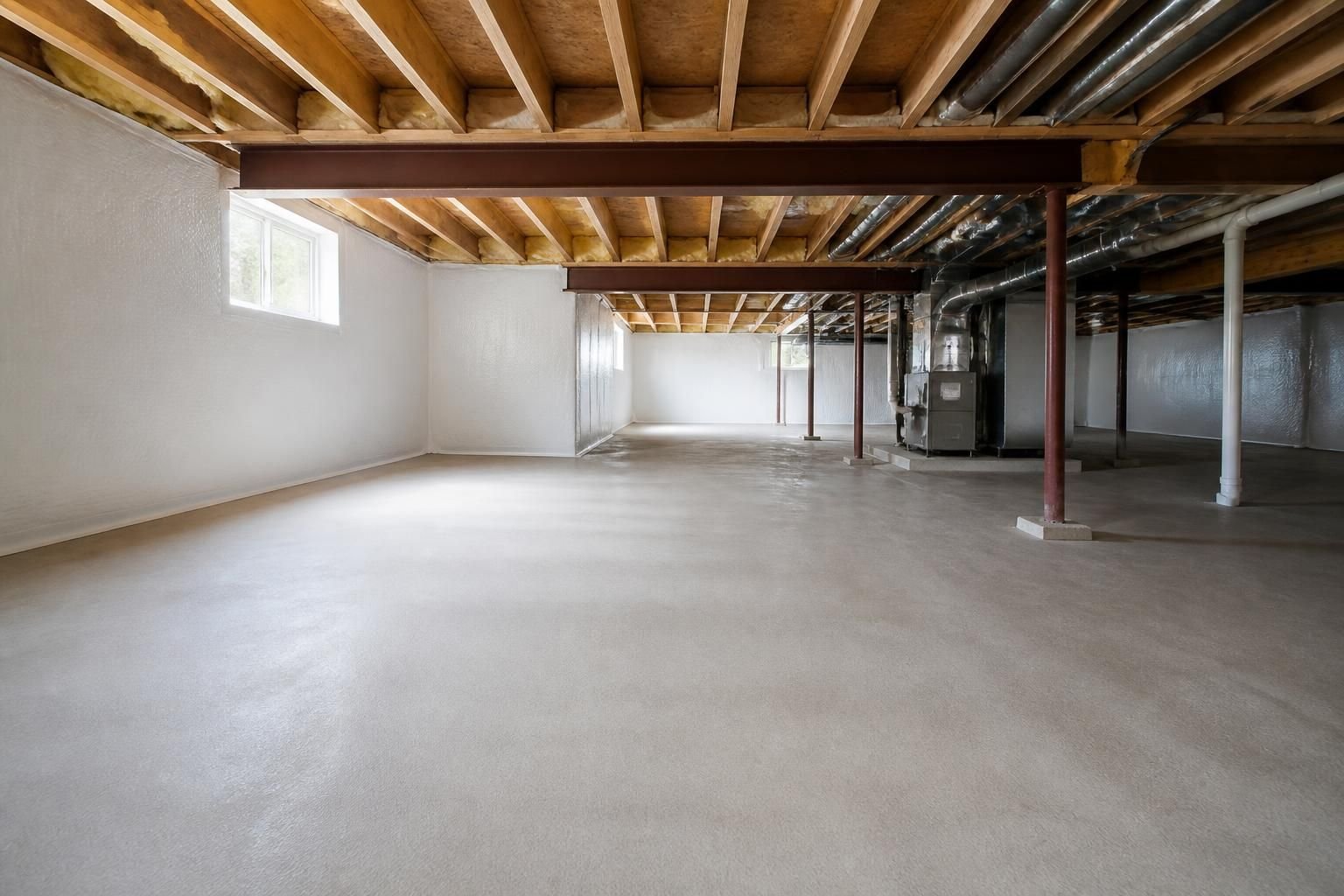
Foundation cracks are one of the most common concerns Chesapeake homeowners bring to us, and understandably so — a crack can look alarming and it is hard to know whether it is cosmetic or a sign of something serious. The good news is that most cracked foundations can be repaired successfully once the cause is understood. This guide explains why cracks form in Chesapeake, the different types you might see, and the proven methods used to repair them so the problem does not keep coming back.
Why Foundation Cracks Happen in Chesapeake
Chesapeake’s location on the low, flat coastal plain of Hampton Roads is the root of most local foundation cracking. A high water table, soft and poorly draining soils, tidal influence, and heavy seasonal rain mean the ground beneath homes is constantly gaining and losing moisture. As the soil swells and shrinks, it pushes and pulls on the foundation, and the concrete or block responds by cracking at its weakest points. Poor drainage, downspouts that dump water against the foundation, and the humidity that keeps crawl spaces damp all add to the stress. Because water is such a powerful driver here, a lasting crack repair almost always has to address moisture, not just the crack itself.
The Types of Foundation Cracks and What They Mean
Not all cracks are equal, and the shape and direction tell you a lot about what is happening.
- Hairline cracks: Thin, shallow cracks that often appear as a home settles. Many are cosmetic, but they should be monitored in case they grow.
- Vertical cracks: Common and frequently caused by normal settling or concrete curing. They are usually less serious but can let in water in a wet region like ours.
- Diagonal cracks: Often run from the corners of windows and doors and can indicate uneven settlement that needs attention.
- Stair-step cracks: Follow the mortar joints in brick or block walls and frequently signal differential settlement or soil movement.
- Horizontal cracks: The most concerning type, often caused by soil or water pressure pushing against the wall. These usually indicate a structural issue that should be inspected promptly.
When Is a Crack Serious?
A single hairline crack is not always a problem, but certain signs warrant a professional look: cracks wider than about a quarter inch, cracks that keep growing, horizontal cracks, cracks that let in water, or cracks that appear alongside sticking doors, sloping floors, or gaps around trim. When several signs show up together, the foundation is likely reacting to active movement rather than simple settling. The only reliable way to know is a professional foundation inspection, which identifies both the crack and the underlying cause.
Proven Methods for Repairing Cracked Foundations
The right repair depends entirely on what is causing the crack. A good contractor matches the method to the diagnosis rather than applying a one-size-fits-all fix.
Crack Injection (Epoxy and Polyurethane)
For non-structural cracks and cracks that leak water, foundation crack repair by injection is a common and effective solution. Epoxy injection restores strength to the concrete, while polyurethane expands to seal against water intrusion — an important benefit in Chesapeake’s wet conditions. Injection works best when the movement that caused the crack has been stabilized.
Carbon Fiber and Wall Reinforcement
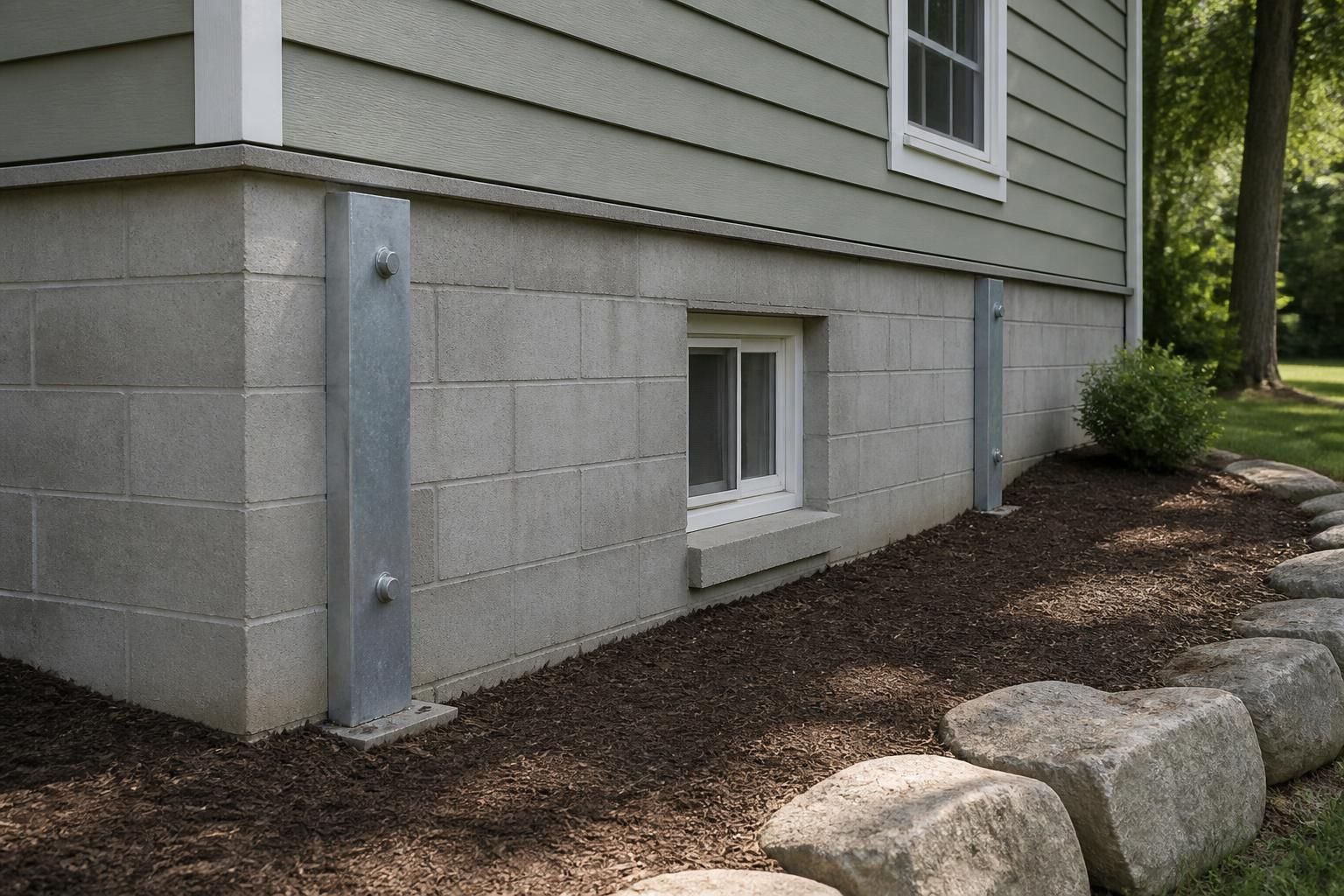
When a wall is cracking due to pressure from soil or water — often the case with horizontal cracks or bowing — reinforcement is used to stabilize it. As part of structural foundation repair, carbon fiber straps or steel bracing hold the wall in place and prevent further movement. This addresses the force behind the crack, not just the crack itself.
Underpinning and Support Piers
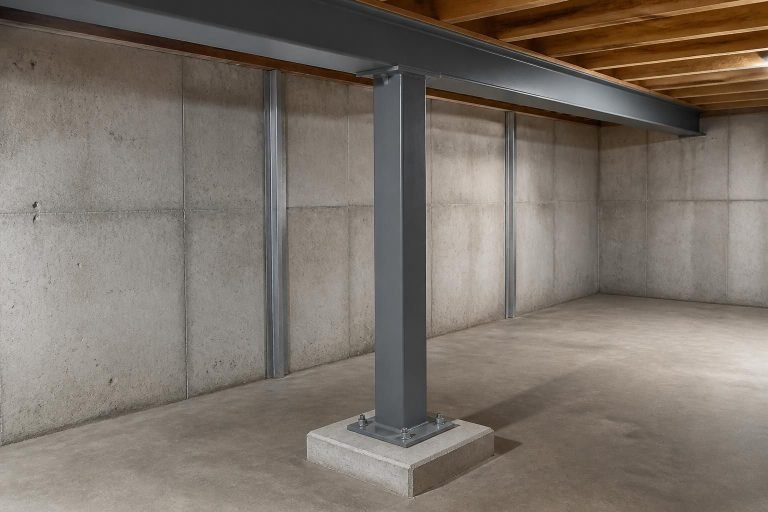
If cracks are caused by the foundation settling into soft, shifting soil — a frequent issue on Chesapeake’s coastal ground — the structure needs to be stabilized from below. Underpinning with piers, another form of structural foundation repair, transfers the home’s weight to stable soil and can lift settled sections back toward level. This stops the settlement that is opening the cracks.
Concrete and Slab Lifting
When exterior concrete or a slab section has sunk and cracked, concrete lifting raises it back to grade. This is common for driveways, walkways, and slab areas affected by the same soil movement that cracks foundations, and it restores a level, safe surface.
Drainage and Waterproofing to Prevent Recurrence
Because moisture drives so much cracking here, stopping the water is what makes a repair last. Depending on the home, that can mean French drain installation to keep water away from the foundation, crawl space water removal and drainage, a sump pump to move groundwater out, or basement waterproofing for homes with basements. Pairing the structural repair with water control is the difference between a fix that holds and one that fails.
Choosing the Right Method for Your Home
The best repair is the one that matches the cause. A leaking vertical crack may only need injection, while a settling foundation may require piers, and a bowing wall may need reinforcement — and any of them may need drainage work to prevent a repeat. That is why the process should always begin with a diagnosis. Cracks tied to moisture, meanwhile, are often connected to crawl space problems; if that sounds familiar, our guide on why crawl spaces get wet in Chesapeake explains the connection.
The Repair Process
A proper cracked-foundation repair follows a clear sequence: inspect to find the crack type and its cause, stabilize any active movement, seal or reinforce the crack, and address the drainage or moisture feeding the problem. Skipping the diagnosis — or sealing a crack without stopping the movement behind it — is why some repairs fail. Doing the steps in the right order is what makes the fix permanent.
What Affects the Cost of Crack Repair?
Homeowners naturally want to know what a repair will cost, and the honest answer is that it depends on the method the crack actually requires. A simple injection to seal a leaking vertical crack is at the lower end, while stabilizing a settling foundation with piers or reinforcing a bowing wall is a larger project. Cost is driven by the type and severity of the cracking, the length of wall affected, how accessible the area is, and whether drainage or moisture work is needed to prevent a repeat. This is exactly why a repair should never be priced over the phone — an inspection is what determines both the right method and a fair, accurate estimate for your specific home.
How to Help Prevent Foundation Cracks
Once a crack is repaired, keeping new ones from forming is largely about managing water — the same force that caused the original damage. Because Chesapeake’s soils are so moisture-sensitive, a few habits go a long way. Keep gutters clean and make sure downspouts discharge several feet away from the foundation rather than pooling against it. Grade the soil so it slopes away from the house, directing rainfall outward. Keep the crawl space or basement dry and sealed, and address any plumbing leak promptly, since even a slow leak can soften the soil beneath a footing. During the dry stretches of summer, avoid letting the soil around the foundation dry out and pull away entirely, and keep large trees a sensible distance from the home so their roots do not draw moisture unevenly from one side. None of these steps can change the coastal ground your home sits on, but together they reduce the swelling-and-shrinking cycle that opens cracks in the first place — and they protect the investment you made in the repair. Pairing good maintenance with a properly diagnosed fix is the most reliable way to keep your foundation crack-free for the long term.
Frequently Asked Questions
Are all foundation cracks serious?
No. Many hairline and vertical cracks are cosmetic. The concern is cracks that are wide, growing, horizontal, leaking water, or paired with other signs like sticking doors and uneven floors. An inspection tells the difference.
Can I just seal a crack myself?
A DIY sealant may hide a crack temporarily, but if the underlying movement or water problem is not addressed, the crack usually returns. Professional repair fixes the cause, not just the appearance.
Will a repaired crack come back?
A properly diagnosed and repaired crack, combined with drainage and moisture control, is designed to be permanent. Cracks tend to return only when the underlying settlement or water source was never addressed.
The Bottom Line
Cracked foundations are common in Chesapeake, but they are very repairable once the cause is understood. Whether the answer is crack injection, wall reinforcement, underpinning, concrete lifting, or drainage work — often a combination — the key is matching the method to the diagnosis. To learn more about how we approach foundation and moisture problems, explore our full range of Chesapeake foundation and crawl space services, or read our guide on the signs you may need foundation repair.
Seeing cracks in your foundation? Reach out to Chesapeake Solid Foundation Repair for a professional inspection and a clear explanation of what is going on.