Chesapeake Solid Foundation Repair wrote this guide for Chesapeake homeowners.
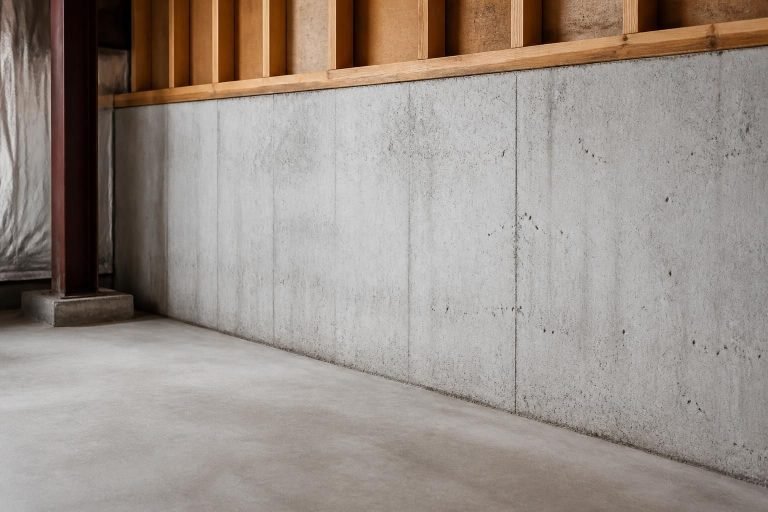
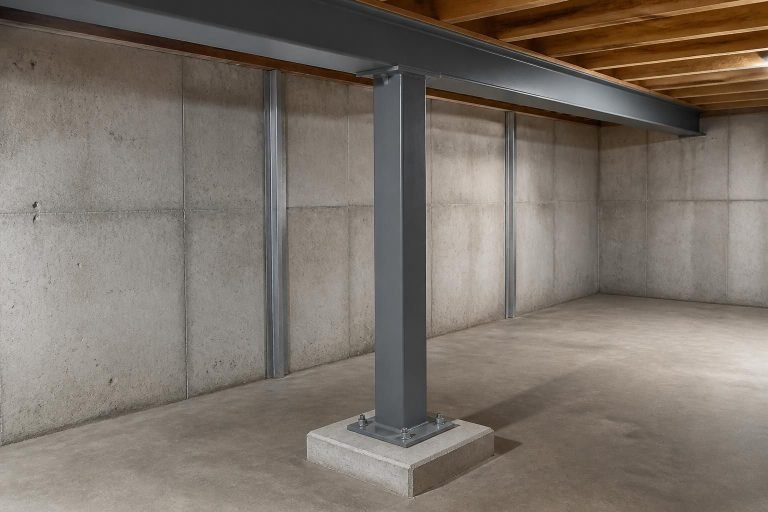
Most wet crawl spaces in Chesapeake are caused by the area’s high water table, humid coastal air condensing under the house, poor drainage around the foundation, or plumbing leaks. Often, more than one of these is happening at the same time. Because so much of Chesapeake sits on low, swamp-adjacent land, crawl space moisture here is extremely common.
Here is how to figure out what is causing yours and what fixes it.
The Main Causes, in Order of How Common They Are Here
A High Water Table
Chesapeake borders the Great Dismal Swamp and sits on low coastal ground, so groundwater sits close to the surface. After heavy rain, that water can rise into the crawl space from below. This is the most Chesapeake-specific cause and often the hardest to fix without proper drainage.
Humid Air Condensing Under the House
In a vented crawl space, warm humid coastal air flows in and hits cooler surfaces underneath, forming condensation the same way a cold drink sweats in summer. Chesapeake’s summer humidity makes this a year-round contributor, not just a storm problem.
Poor Exterior Drainage
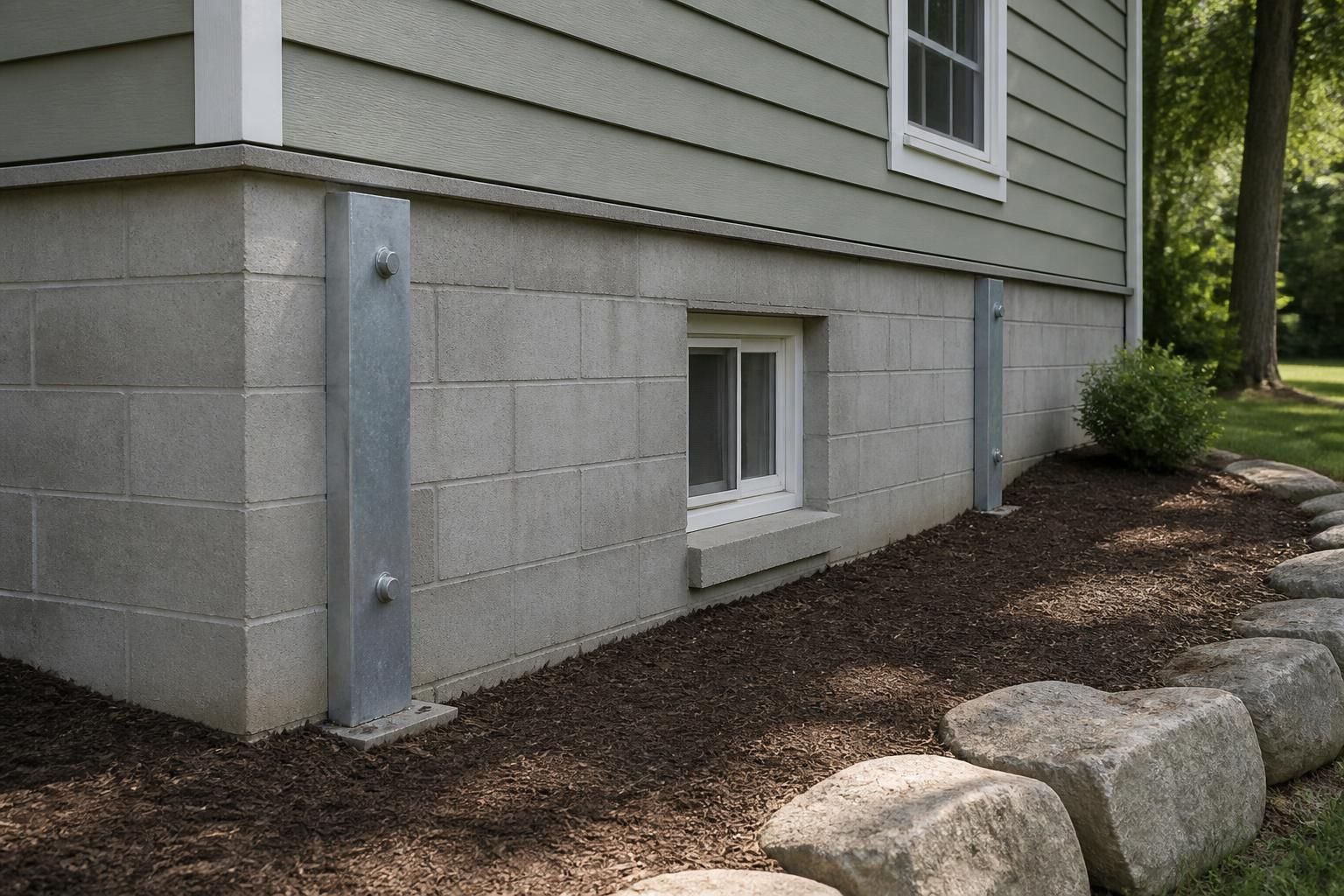
Gutters that dump water at the foundation, or ground that slopes toward the house instead of away, push surface water straight into the crawl space. This is common and often relatively affordable to correct.
Plumbing Leaks
A leaking pipe or supply line under the house adds moisture directly. It is less common than the others, but it is worth ruling out.
How to Tell Which One You Have
- Standing water after rain: usually high water table or exterior drainage
- Damp, humid air and condensation but no pooling: humid-air condensation
- A wet spot in one specific area, year-round: possible plumbing leak
- Musty smell, soft floors, or mold: the downstream result of any of the above left unaddressed
The Solutions That Actually Work Here
Because Chesapeake crawl spaces often have more than one moisture source, the lasting fix is usually a combination rather than a single step.
- Drainage and a sump pump to handle groundwater from the high water table.
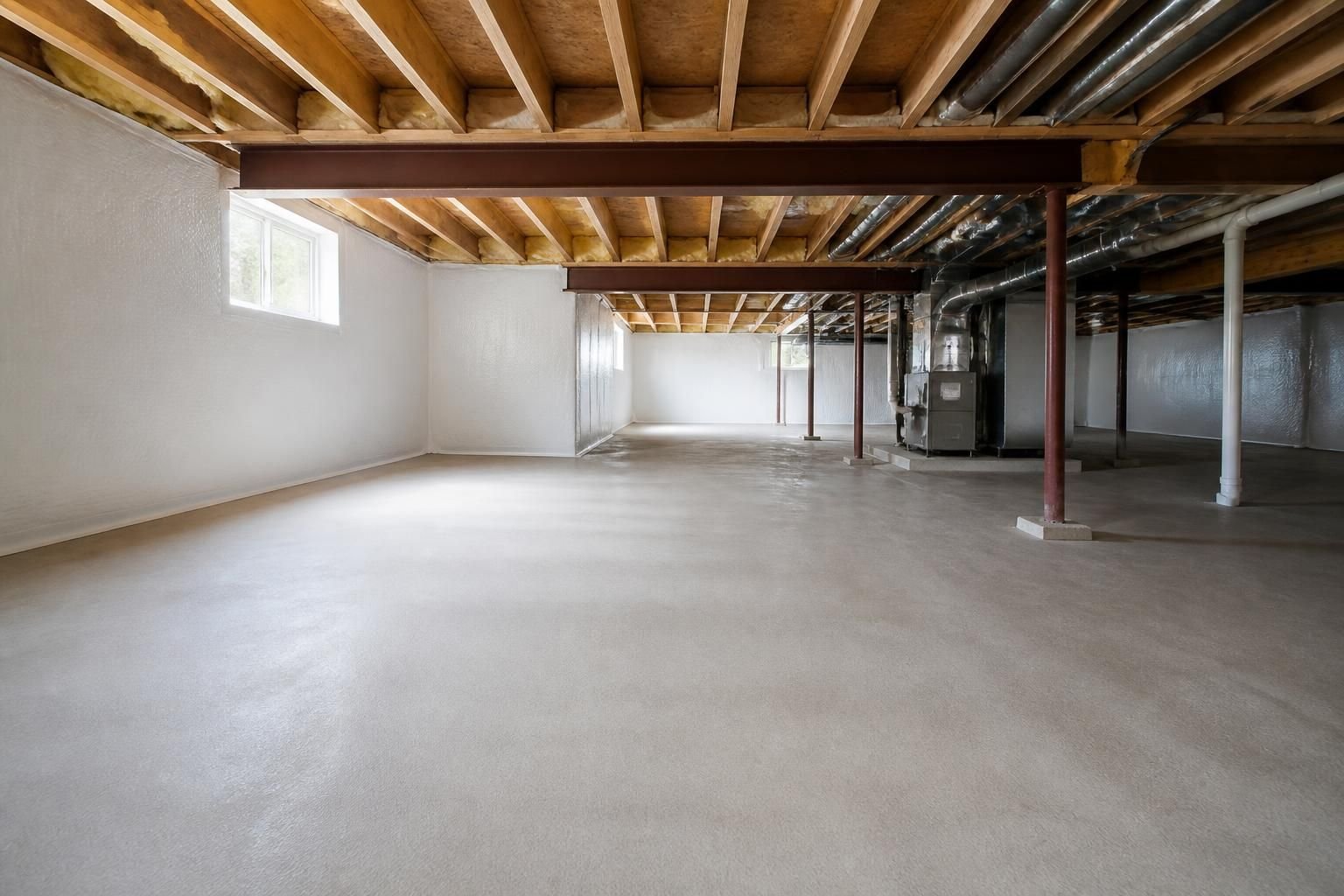
- Encapsulation with a sealed vapor barrier to stop humid air and ground moisture.
- Exterior grading and gutter correction to keep surface water away.
- Dehumidification inside the sealed space to hold humidity down.
A quick patch, such as laying a thin plastic sheet, rarely holds in this climate because it does not address groundwater or humid air.
When to Call a Professional
If you see standing water, a musty smell, soft or sloping floors, or visible mold, it is worth a professional inspection. There is often more than one moisture source here, and finding all of them is what makes the repair last.
Give us a call and we will find out exactly what is driving it.