Standing water along the foundation, a soggy yard that never seems to dry, and moisture working its way toward the crawl space are all signs that water is not draining away from your home the way it should. When water lingers near the foundation, it builds pressure against the walls and looks for a way in.

Chesapeake Solid Foundation Repair installs French drains to move that water away from the home before it becomes a moisture or structural problem. For Chesapeake properties, that usually means looking at how water collects in the yard, around the foundation, and near the crawl space so the drain is placed where it will actually redirect the flow.


Signs to watch

Drainage problems usually show up in the yard and around the foundation before they reach the inside of the home. Catching them early makes it easier to protect the foundation, the crawl space, and the landscaping.

  • Pooling water: Water that stands in the yard or against the foundation long after rain points to poor drainage.
  • Soggy soil: Ground that stays wet and spongy for days can keep pressure against the foundation wall.
  • Water in the crawl space: Moisture reaching the crawl space often traces back to water that was never carried away outside.
  • Foundation seepage: Damp spots or seepage along the foundation can follow water building up on the outside.
  • Eroding mulch or soil: Washed-out beds and channels in the yard show where water is running toward the home instead of away.

If more than one of these shows up, water is likely collecting where it should be moving away from the structure.


Where water collects

A French drain works by giving water an easier path to follow. Knowing where water gathers helps determine where the drain should run and where it should discharge.

Low spots in the yard

Water naturally moves toward the lowest point. When that point sits near the foundation, the yard needs a drain to redirect the flow to a safer location.

Along the foundation

When water pools against the foundation, pressure builds and pushes moisture toward the crawl space or basement. A drain along this path can relieve that pressure.

Around the crawl space

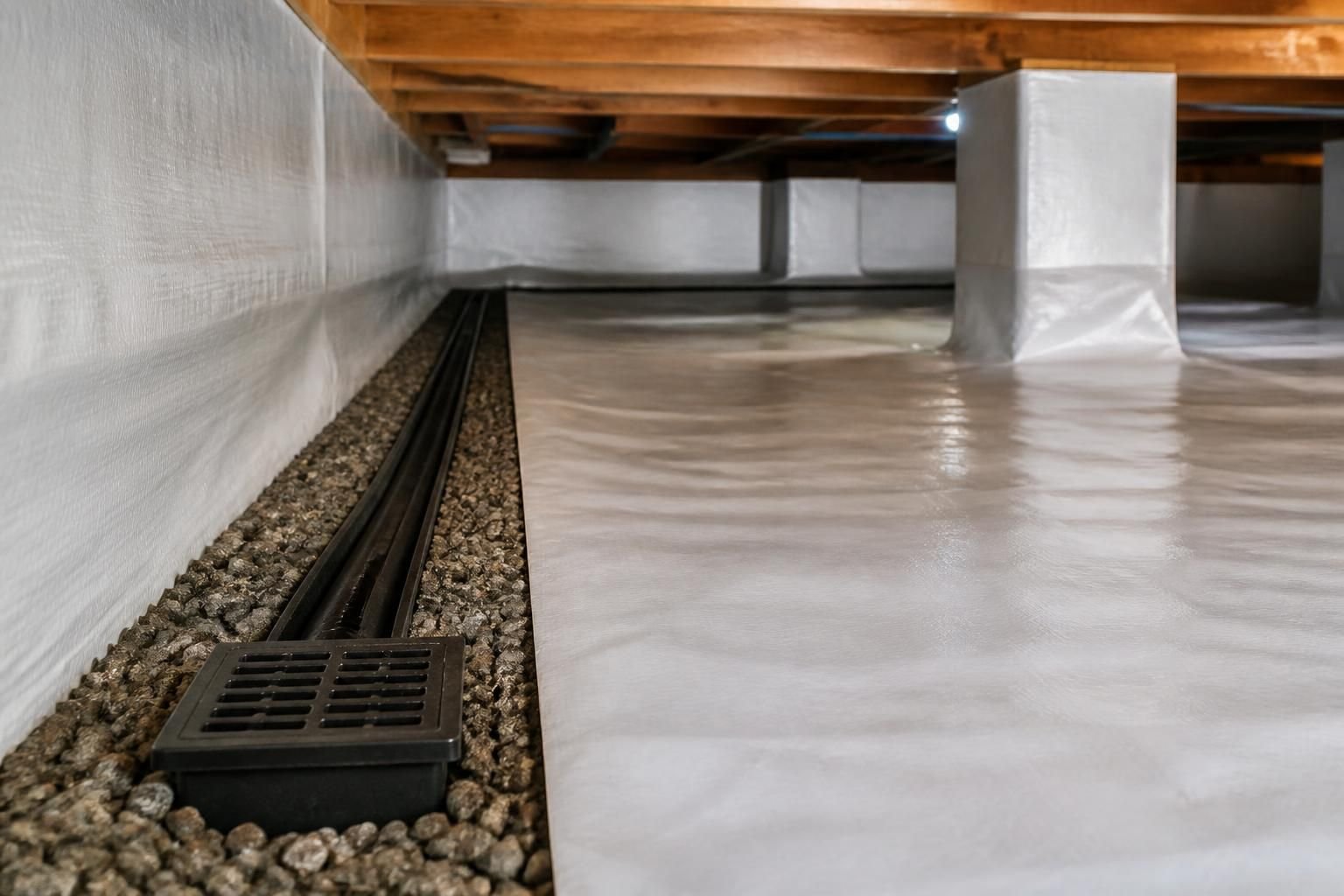
Water that reaches the crawl space perimeter can lead to standing water inside. Pairing exterior drainage with crawl space water removal and drainage often addresses both sides of the problem.


Our inspection process

Chesapeake Solid Foundation Repair starts by watching how water moves across the property and where it ends up. The goal is to place the drain where it will do the most good.

  1. Listen to the symptoms: We ask where you see standing water, when it appears, and how long it stays.
  2. Check the grade: We look at how the yard slopes and whether water is being directed toward the home.
  3. Review moisture patterns: We trace where water collects and whether it is reaching the foundation or crawl space.
  4. Explain the findings: We describe how the drain would route water and where it would discharge before any work begins.

That approach helps make sure the drain solves the drainage problem rather than moving it somewhere else.


Drainage solutions

A French drain is one part of a larger drainage picture. The right plan depends on where water collects and how it reaches the home.

  • Exterior French drain: A gravel-and-pipe trench carries surface and subsurface water away from the foundation.
  • Crawl space water removal & drainage: When water is already reaching the crawl space, interior drainage work can move it out.
  • Sump pump installation & repair: Where water collects and needs to be pushed out, a sump pump can handle the accumulation.
  • Basement waterproofing: If water is pressing against lower walls, a broader basement waterproofing plan can manage it.

We do not treat every wet yard the same way. A single low spot needs a different answer than water wrapping around the whole foundation.


Why Chesapeake homes struggle

Homes across Chesapeake deal with conditions that make drainage a real concern. Flat terrain, a high water table, clay-heavy soil, and heavy seasonal rain can leave water sitting near the foundation far longer than many homeowners expect.

Even without major flooding, slow-draining ground keeps steady pressure against the foundation and can send moisture toward the crawl space. A French drain gives that water a clear path away from the structure so it does not have a chance to build up.


Installation steps

Once we know where water is collecting, we outline how the drain will be installed and where it will send the water. The plan may include one drain line or a combination of drainage work depending on conditions.

  1. Set the route: We map the trench along the path where water needs to be intercepted.
  2. Install the drain: Gravel, perforated pipe, and fabric are placed so water is collected and carried away.
  3. Direct the discharge: Water is routed to a safe outlet away from the foundation and crawl space.
  4. Confirm the flow: We check that water moves through the drain and away from the home as intended.

Chesapeake Solid Foundation Repair keeps the process clear so you know what the drain is meant to do and why.


When to act

Waiting too long usually lets a drainage problem spread from the yard to the foundation and crawl space. A small wet area can grow into standing water, seepage, and moisture damage that is harder to reverse.

It is a good time to schedule an inspection if you notice:

  • Water that pools after rain and drains slowly
  • Soggy soil that stays wet for days
  • Moisture showing up in the crawl space
  • Seepage or damp spots along the foundation
  • Soil or mulch washing toward the home

These signs usually mean water is collecting where it needs a path out, not just ordinary wet weather.


Common questions

What does a French drain do?

A French drain collects surface and subsurface water in a gravel-and-pipe trench and carries it away from the foundation to a safer discharge point.

Will a French drain stop crawl space water?

It can reduce water reaching the crawl space by intercepting it outside. When water is already inside, it is often paired with interior drainage work.

Do I need a sump pump too?

Not always. A sump pump helps when water collects and has to be pushed out. Whether one is needed depends on how the water moves on your property.

Where does the water go?

The drain routes water to a safe outlet away from the home, chosen based on the yard, the grade, and where water can discharge without causing new problems.

Will a French drain fix every drainage problem?

No single solution fits every yard. The right plan depends on where water collects and how it reaches the foundation or crawl space.

How disruptive is the installation?

Installing a drain involves trenching along the route, but the work is planned to redirect water with as little disruption to the yard as the layout allows.


Talk with our local crew

If water is pooling near your foundation or finding its way toward the crawl space, Chesapeake Solid Foundation Repair can inspect the property and explain how a French drain would route it away. A foundation inspection can also confirm whether the moisture has started to affect the structure.

Call +17579086395 to schedule an inspection.

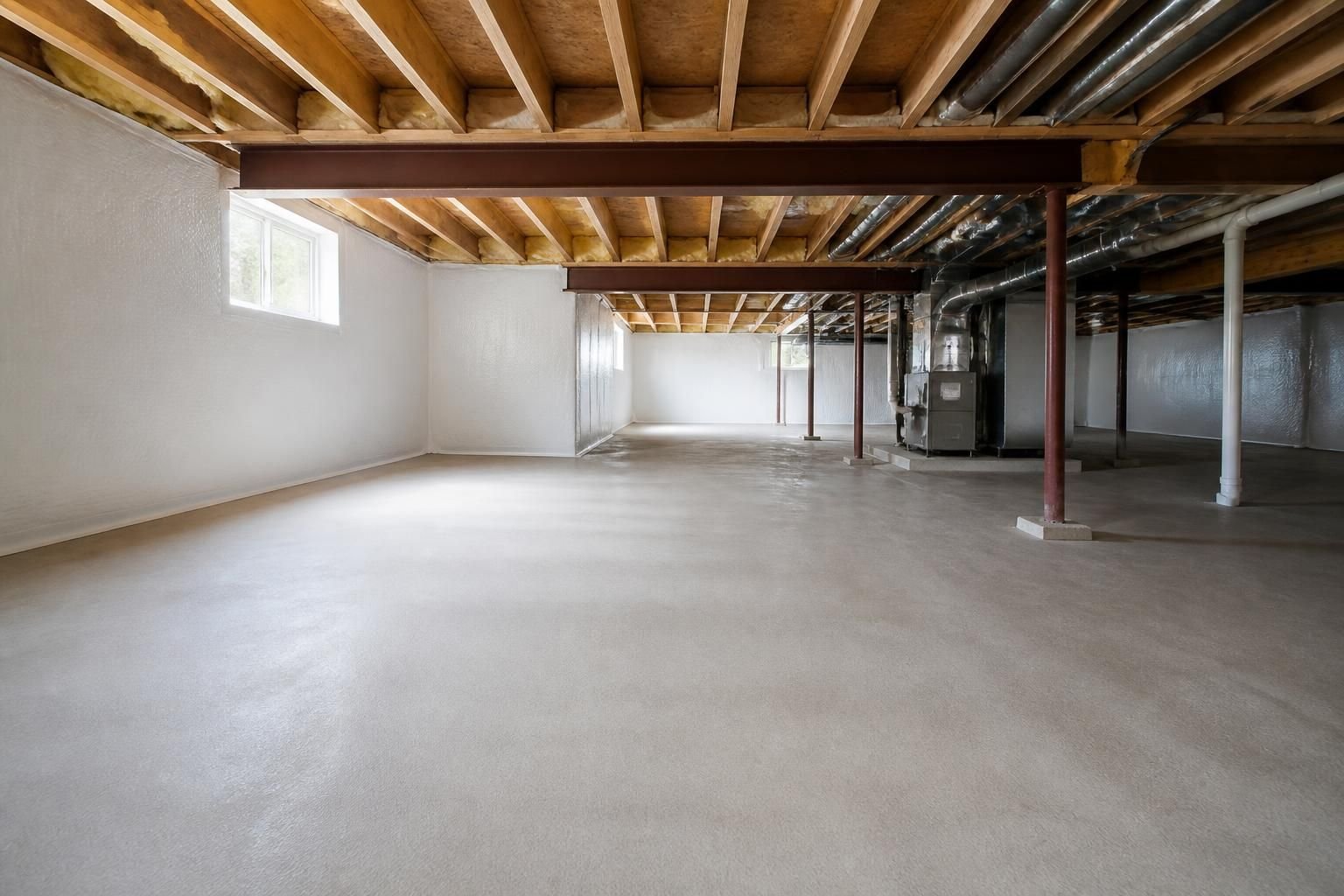
Dry finished basement with waterproofing and open space for text.

Get Started

Find the Cause of the Problem

Share what you are seeing in your home, and we will help identify whether the issue is coming from settlement, moisture, drainage, or crawl space damage.