
Chesapeake Solid Foundation Repair helps South Norfolk homeowners with old brick, wet crawl spaces, and floors that dip. South Norfolk is a section of Chesapeake, Virginia, a few miles south of Norfolk. You pay nothing for the first look.
South Norfolk was its own city until 1963. Many of its streets were laid out nearly a century ago. That gives it a mix of older homes, small lots, and tight blocks.
South Norfolk became an incorporated town in Norfolk County in 1919 and an independent city within three years. Streetcars ran from Ocean View to South Norfolk in the early 1920s, and a ferry crossed to Portsmouth.
In 1963 Norfolk wanted to annex the last land between the two cities. After a vote, South Norfolk and the rest of Norfolk County joined to form Chesapeake. The old city is now one of the city's boroughs.
South Norfolk sits along the Southern Branch of the Elizabeth River. The land is low, flat, and close to tidal water. Soil here stays damp, and the water table is near the surface.
Homes near the river face wet crawl spaces and soft ground. We look at how close water is to your lot and how the yard drains.
Many South Norfolk houses were built when crawl spaces were standard. They have brick piers, wood joists, and vents in the walls. After decades of wet and dry cycles, wood can rot, and piers can shift.
Signs include sagging floors, doors that jam, and gaps along the baseboards. We crawl under the house and check the beams and piers. Then we explain what we saw.
The Gateway at South Norfolk was the city's first major redevelopment project. New apartments and a library have been added over the years. Infill homes have also been built on small lots.
New construction next to an old home can change how water runs. If you see a new puddle after a neighbor builds, tell us. A simple drain can fix it.
Indian River Road was once the ferry landing. B Street is another well known street in the area. Traffic and older paving put stress on sidewalks and driveways.
Sunken concrete can be lifted instead of replaced. That keeps your property tidy and saves money.
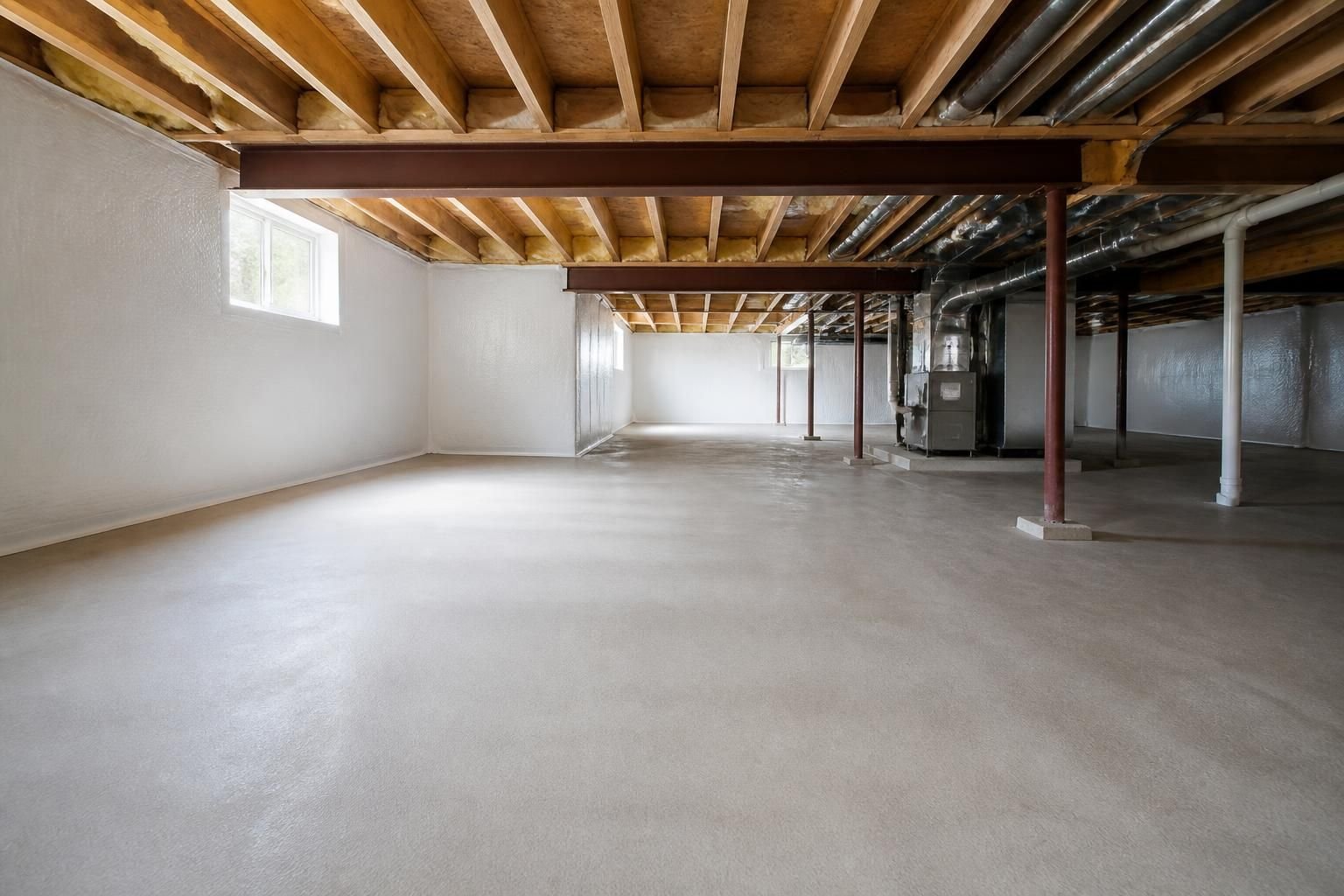
When groundwater stays close to the surface, basements and crawl spaces take on moisture. A sump pump, a vapor barrier, and a drain around the home are common answers.
We never push a repair you do not need. We start with what is wrong and why.
After you approve a plan, we mark where work will happen and tell you what to expect. For a crawl space, that may mean new piers, new support posts, or a vapor barrier. For concrete, it may mean drilling small holes and lifting the slab.
We protect floors and landscaping, clean up daily, and walk you through the finished work. If you have questions during the job, ask the crew lead.
Most of our local calls lead to one of these jobs.
Many older homes can be repaired. We inspect the frame and explain what is possible.
Damp joists or sunken piers are common causes. We check them from the crawl space.
Often yes. Concrete lifting can raise sunken steps and walks.
Standing water, dripping, or a musty smell all call for a look.
We keep noise and mess low. Crews park on the street or in your drive, and we clean up each day.
Want a clear plan for your South Norfolk home? Call Chesapeake Solid Foundation Repair at +1-757-908-6395.
Get Started
Share what you are seeing in your home, and we will help identify whether the issue is coming from settlement, moisture, drainage, or crawl space damage.