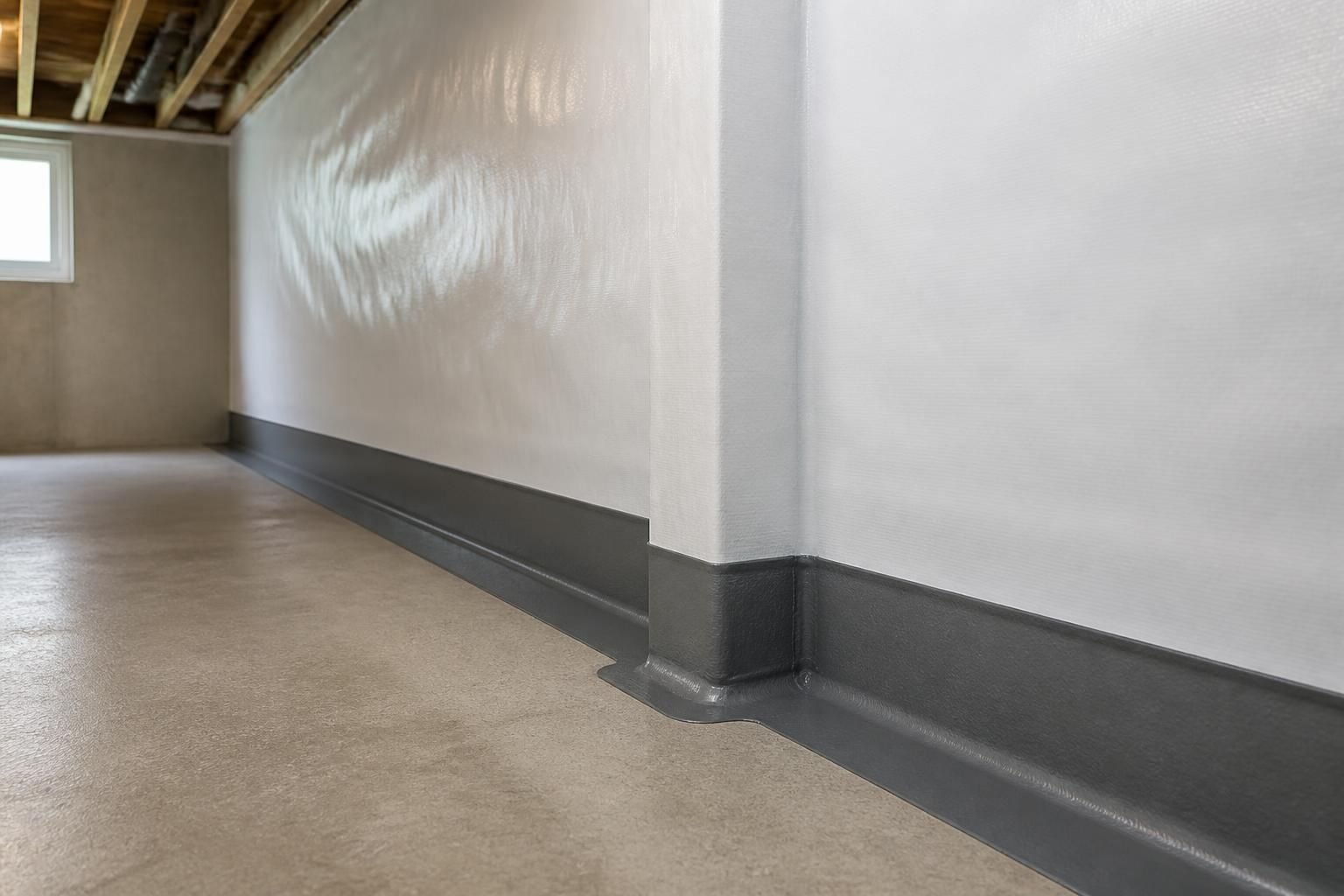
Chesapeake Solid Foundation Repair offers basement waterproofing in Chesapeake, VA. Water around the basement wall, a damp concrete smell, and stains that keep returning are signs something is pushing moisture where it does not belong. If you have noticed seepage after heavy rain, peeling paint near the floor, or a musty lower level, the problem is usually more than surface dampness.
Chesapeake Solid Foundation Repair helps homeowners track down the source of basement water intrusion and fix it with solutions that fit the home. For Chesapeake homes, that often means looking at drainage, wall seepage, sump pump needs, and the way water is entering the space so the repair addresses the cause rather than the symptom.
Basement water problems usually leave clues before they become obvious. The earlier you catch them, the easier it is to limit damage to walls, floors, stored items, and framing.
If more than one of these shows up, the issue may be active even when the space feels dry on the surface.
Basement seepage does not always come from one obvious opening. Water can move through cracks, wall joints, floor edges, and other weak points that are hard to notice without a careful inspection.
Hairline cracks can let moisture through, while wider cracks may allow visible seepage during wet conditions. The location and shape of the crack help show whether the problem is active movement, pressure, or both.
The seam where the wall meets the floor is a common entry point. When water builds around the foundation perimeter, that joint can become a path for seepage into the basement.
If water collects around the outside of the home, pressure can build against the foundation and push moisture inward. That is why a basement waterproofing plan often needs to address drainage, not just the interior stain.
Chesapeake Solid Foundation Repair starts with a detailed look at the basement, the visible damage, and the likely source of intrusion. The goal is to determine how water is moving so we can recommend the right repair path.
That approach helps avoid short-term fixes that cover a problem without stopping the water path.
Basement waterproofing is not one single product. The right solution depends on where the intrusion starts and how your home handles water around the foundation.
We do not treat every damp basement the same way. A home with a small recurring corner leak needs a different answer than one with repeated water entry across a larger area.
Homes across Chesapeake face conditions that make lower-level moisture a real concern. Coastal ground, a high water table, and year-round humidity can make basement and crawl space moisture harder to control than many homeowners expect.
Even if your home has not had major flooding, slow seepage can still lead to recurring dampness and long-term wear. Water intrusion can stain walls, damage stored items, and create conditions that are difficult to ignore once they become routine.
That is why waterproofing here needs to be practical and specific. The home, the soil, and the path of water all matter when choosing the right fix.
Once the source of the problem is clear, we outline the next steps so you know what the work is meant to do. The repair plan may include one solution or a combination of several, depending on the basement conditions.
Chesapeake Solid Foundation Repair keeps the process straightforward so you know what is being fixed and why it matters.
Waiting too long often allows a basement water problem to spread. A small damp patch can lead to larger staining, more persistent odor, and damage that becomes harder to ignore.
It is a good time to schedule an inspection if you notice:
These signs usually mean the basement is reacting to a real water path, not just ordinary humidity.
True basements are uncommon in Chesapeake precisely because the coastal-plain water table sits so high — and where below-grade space exists, it is under constant hydrostatic pressure and prone to seepage. With Hampton Roads groundwater rising, waterproofing here has to manage real water, not just dampness. We seal, drain, and pump below-grade spaces to keep them dry against the region's persistent moisture.
Water seepage usually comes from cracks, joints, or pressure from water building around the foundation. A careful inspection helps identify the path.
Yes. Small damp areas often show where water is first entering, and they can expand over time if the source is not addressed.
It can help when the odor comes from persistent moisture. If dampness is controlled, the conditions that support musty smells are often reduced.
No single repair fits every home. The right solution depends on how the water is entering and what the basement shows during inspection.
A sump pump is useful when water collects and needs to be removed. It is not always necessary, but it can be an important part of a waterproofing plan.
Yes. Boxes, furniture, tools, and other items can be damaged by repeated moisture, stains, and the odor that comes with damp conditions.
If your basement has recurring dampness, seepage, or water stains, Chesapeake Solid Foundation Repair can inspect the space and explain what is happening. We work with homeowners across Chesapeake, and we understand how local conditions can affect lower-level moisture.
Call +17579086395 to schedule an inspection.
Get Started
Share what you are seeing in your home, and we will help identify whether the issue is coming from settlement, moisture, drainage, or crawl space damage.