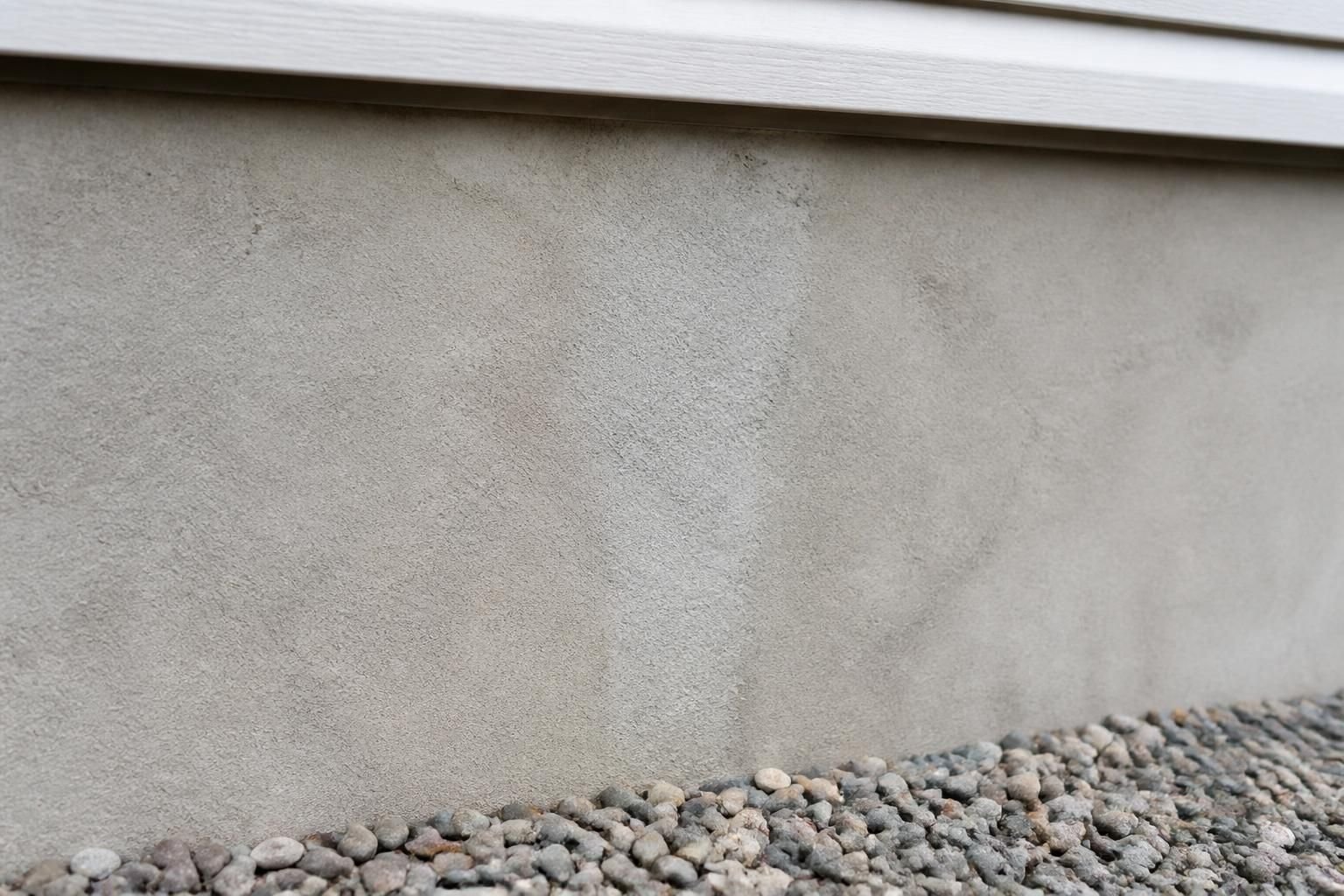
Chesapeake Solid Foundation Repair offers foundation crack repair in Chesapeake, VA. Cracks along a foundation wall can start small, then turn into a bigger worry when doors begin sticking, floors feel uneven, or a hairline split keeps widening. If you have noticed a crack that looks new, changes after rain, or lets moisture into the house, it is worth having it checked before the problem spreads.
For homeowners across Chesapeake, foundation cracks often tie back to soil movement, settling, or water getting where it should not. Chesapeake Solid Foundation Repair inspects the crack, looks for the source behind it, and explains the repair path clearly so you know what is cosmetic, what is structural, and what needs attention now.
Not every crack means the same thing, but certain signs should get your attention quickly. A crack may look minor at first and still point to movement beneath the home or pressure on a wall.
If any of these sound familiar, a foundation crack inspection gives you a clearer picture before the damage becomes harder to manage.
Foundation cracks do not appear for one single reason. In Chesapeake, the conditions around a home can put pressure on concrete and masonry over time. The goal is not just to seal the visible line, but to find out why it formed.
When soil shifts, settles, or pushes unevenly against a foundation, cracks can form as the structure responds to that change. Some cracks are tied to slow settlement, while others are linked to pressure from the surrounding ground.
Water around the base of the home can work its way into small openings and make them worse. Once moisture starts entering, the crack can become more noticeable and may lead to staining, damp spots, or other damage nearby.
When a wall or support area is carrying more stress than it should, cracking may show up as a symptom. That is why a full inspection matters. We want to know whether the crack itself is the main concern or whether it points to a larger structural issue.
At Chesapeake Solid Foundation Repair, we begin with a close inspection of the crack, the surrounding wall, and nearby signs of movement or water entry. From there, we explain what the crack is telling us and what repair method fits the situation.
This process helps avoid quick cosmetic fixes that only hide the evidence while the real problem keeps developing.
Foundation crack repair is not one-size-fits-all. The right approach depends on where the crack is, how it behaves, and whether water or structural movement is part of the picture. We focus on repairs that address the source, not just the surface.
When a crack is allowing moisture entry or showing early signs of movement, sealing and repair can help close the opening and reduce the chance of further intrusion. This is often part of a broader plan when the area around the foundation needs attention too.
If the crack is tied to shifting or settlement, the fix may involve structural foundation repair rather than a simple patch. That can help stabilize the affected area so the crack is not only hidden, but dealt with at the source.
When water is part of the cause, repair may need to be paired with crawl space repair, crawl space water removal & drainage, sump pump installation & repair, or basement waterproofing. Keeping water away from the foundation is a key part of reducing repeat cracking.
Small foundation cracks can turn into bigger headaches if they are ignored. Water intrusion can stain walls, damage nearby materials, and add moisture where you do not want it. Structural movement can lead to more cracking, uneven floors, and added strain on other parts of the home.
Addressing the issue early can also make the repair simpler. A crack that is watched too long may become part of a broader problem involving the foundation, crawl space, or floor support system. For Chesapeake homes, that connection matters because moisture and settling often show up together.
If you are unsure whether a crack is a surface concern or a structural one, a professional inspection is the safest place to start.
Foundation cracks often show up alongside other signs that something below the home has changed. You do not need to spot every one of these before calling.
When several of these signs appear together, the cause is often more than a simple surface crack.
Homes around Chesapeake often face foundation and crawl space concerns tied to the local coastal conditions. That means crack repair is rarely just about filling a line and moving on. It usually requires checking whether water, soil movement, or structural strain has affected the home as a whole.
Chesapeake Solid Foundation Repair works with homeowners who want a clear answer and a repair that makes sense for the condition of the property. We know many local homes rely on crawl spaces or slabs, so we pay attention to the full structure, not only the visible damage.
Whether your crack is in a foundation wall, part of a settling area, or showing up with floor movement, we look for the cause and recommend a direct path forward.
Foundation cracks in Chesapeake usually trace back to a high water table, soft coastal soils, and settlement rather than expansive-clay heave. Homes near the Elizabeth River branches and low-lying areas sit on ground that holds water and compresses over time, so footings settle unevenly and cracks open in walls and floors. We repair the cracks only after addressing the moisture and settlement driving them, so the fix holds on this wet coastal ground.
Some cracks stay stable, but a crack that widens, lets in moisture, or appears with other structural signs should be checked. Watching it without an inspection can let a real issue grow.
Yes. Some cracks are surface-level, while others point to settlement, pressure, or support issues. The crack pattern and nearby symptoms help tell the difference.
Water follows the easiest path. Even a narrow opening can allow moisture inside when outside conditions put pressure on the foundation or when drainage is not keeping water away.
No. A crack caused by movement may need structural foundation repair, while a crack tied to moisture may need sealing plus drainage or waterproofing support.
Recurring cracks usually mean the source was not addressed the first time. That is why we look beyond the visible split and check what is driving the damage.
Contact Chesapeake Solid Foundation Repair to schedule a foundation inspection. We will assess the crack, explain what we find, and outline the next step for your home.
If you are seeing cracks, moisture, or movement around your foundation, it is better to get answers now than guess later. Chesapeake Solid Foundation Repair provides foundation crack repair for Chesapeake homeowners who want a clear explanation and a practical solution.
Call +17579086395 or visit us at 555 Belaire Ave #210, Chesapeake, VA 23320. We are available Monday through Sunday from 9:00 AM to 9:00 PM. If your foundation crack is part of a bigger structural or moisture concern, we will help you understand the full picture and choose the right repair path.
Get Started
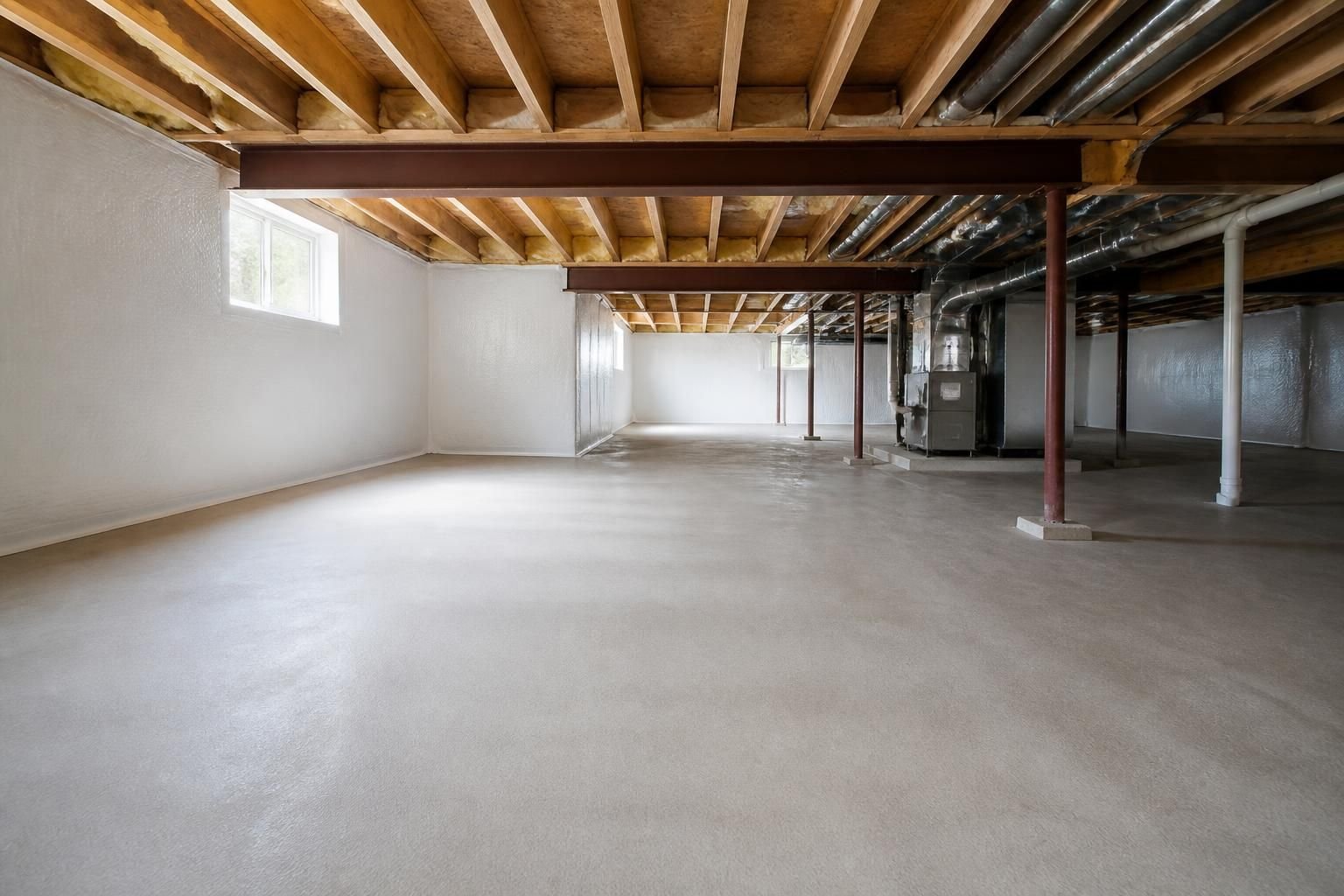
Share what you are seeing in your home, and we will help identify whether the issue is coming from settlement, moisture, drainage, or crawl space damage.