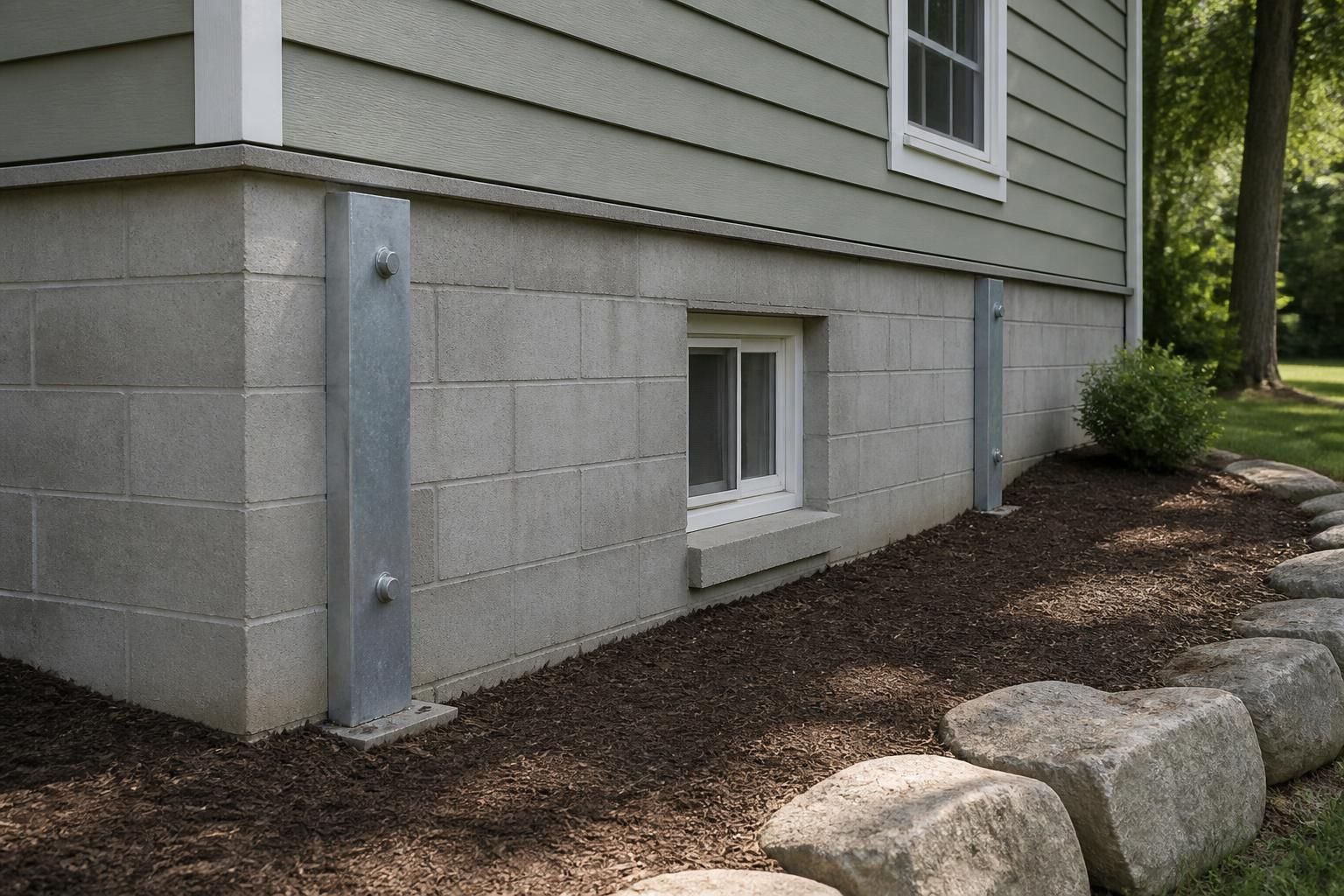
Your foundation is the one part of your home you rarely think about — until something goes wrong. In Chesapeake, where high water tables, soft coastal soils, and humid, storm-prone weather put constant pressure on foundations, a little routine maintenance goes a long way toward preventing expensive repairs. The good news is that most foundation problems here start small and develop slowly, which means attentive homeowners have plenty of chances to catch them early. This checklist walks through the simple, seasonal tasks that protect your foundation and help you spot trouble before it spreads.
Why Foundation Maintenance Matters More in Chesapeake
Chesapeake sits on the low, flat coastal plain of Hampton Roads, where the ground gains and loses moisture constantly. After heavy rain or a coastal storm, poorly draining soils hold water and swell; during dry summer stretches they shrink and pull away from footings. That repeated movement is the leading cause of foundation cracks, uneven floors, and crawl space moisture across the area. Because water drives almost all of it, foundation maintenance in Chesapeake is really about managing water — keeping it away from the foundation and keeping soil moisture as steady as possible. A few consistent habits can dramatically reduce the stress your foundation endures each year.
1. Manage Water and Drainage
This is the single most important category for Chesapeake homes. Keep gutters clean and free of debris so rainwater actually flows where it should. Make sure downspouts extend several feet away from the foundation rather than dumping water right against it. Check that the soil around your home slopes away from the foundation, and fill any low spots where water pools after a storm. If water consistently collects near the house, it may be time for French drain installation or crawl space water removal and drainage. Homes that struggle with groundwater often benefit from sump pump installation and repair to keep water moving out.
2. Keep the Crawl Space Dry
Many Chesapeake homes sit on crawl spaces, and in our humid climate those spaces are the first place moisture problems appear. Check the crawl space a few times a year for standing water, condensation on the framing, musty odors, or visible mold. A damp crawl space weakens floor joists and sends humid air up into the living space. If you find recurring moisture, solutions like crawl space encapsulation, a vapor barrier and insulation, or mold and moisture removal keep the space healthy. Ongoing structural issues may call for crawl space repair.
3. Watch for Early Warning Signs
Make a habit of scanning your home for the small signals that foundation movement leaves behind. Inside, look for new drywall cracks (especially diagonal ones from door and window corners), doors and windows that stick, floors that slope or feel bouncy, and gaps around trim. Outside, watch for stair-step cracks in brick, cracks in the foundation, and gaps around the garage door. A single hairline crack is usually nothing to worry about, but several signs together — or a crack that keeps growing — warrant a closer look. Catching these early often means the difference between minor foundation crack repair and more involved structural foundation repair or floor repair later on.
4. Maintain Consistent Soil Moisture
The goal in Chesapeake is to avoid extremes. During long, dry summer stretches, the soil around the foundation can shrink and pull away, so light, consistent watering of the perimeter helps keep it stable. After heavy rain, the priority flips to drainage so the soil does not stay saturated. Keep large trees a sensible distance from the home, since their roots draw significant moisture from the clay and can dry one side of the foundation unevenly. Steady soil moisture means steady support beneath your home.
5. Check Plumbing and Fix Leaks Promptly
A slow plumbing leak beneath or near the foundation can quietly wash away supporting soil for months before anyone notices. Watch for unexplained damp spots, higher-than-usual water bills, or sudden new cracks, which can all point to a hidden leak. Addressing plumbing issues quickly protects both your foundation and the soil that holds it up.
Your Seasonal Foundation Checklist
Breaking maintenance into seasons makes it manageable:
- Spring: Clean gutters after pollen season, check downspout extensions, and inspect the crawl space for winter moisture.
- Summer: Watch for soil shrinking away from the foundation during dry spells and water the perimeter lightly if needed.
- Fall: Clear leaves from gutters, confirm grading before winter rains, and scan interior walls for new cracks.
- Winter: Check for water pooling after storms and make sure the crawl space stays dry and sealed.
Schedule an Annual Professional Inspection
Even the most diligent homeowner cannot see everything, especially beneath the home. An annual foundation inspection catches issues that are easy to miss and gives you a professional read on how your foundation is holding up against Chesapeake’s conditions. It is an inexpensive habit that can save thousands by catching problems while they are still small.
Quick-Reference Maintenance Checklist
Keep this simple list handy and run through it a few times a year:
- Gutters clean and draining freely
- Downspouts extended several feet from the foundation
- Soil graded to slope away from the house
- No standing water pooling near the foundation after rain
- Crawl space checked for water, condensation, mold, and musty odors
- Crawl space vents, vapor barrier, and any sump pump in good condition
- Interior walls checked for new or growing cracks
- Doors and windows opening and closing normally
- Floors level, with no new soft or bouncy spots
- Perimeter soil moist but not saturated during dry spells
- No signs of plumbing leaks near the foundation
- Annual professional inspection scheduled
When to Call a Professional
Routine maintenance handles the everyday, but some findings call for expert help right away. If you notice a crack wider than about a quarter inch, a horizontal crack, cracks that keep growing, standing water in the crawl space, sagging or bouncy floors, or several warning signs appearing together, it is time to bring in a professional. These are signs that active movement or a moisture problem is at work, and addressing them early — with an inspection and the right repair — is far less costly than waiting until the damage spreads.
Frequently Asked Questions
How often should I check my foundation?
A quick visual scan a few times a year, plus a look at the crawl space each season, is enough for most homeowners. Pair that with a professional inspection once a year for peace of mind.
What is the most important maintenance task in Chesapeake?
Managing water. Because moisture drives nearly all foundation movement here, keeping gutters clear, downspouts extended, and grading correct does more to protect your foundation than anything else.
Can maintenance really prevent foundation repair?
It cannot change the soil your home sits on, but consistent maintenance meaningfully reduces the moisture swings that cause damage — and it helps you catch small issues before they become major repairs.
Does a new home need foundation maintenance too?
Yes. Newer homes in Chesapeake sit on the same reactive coastal soils as older ones, and drainage and grading issues can appear early. Good habits from the start help a newer foundation stay stable.
The Bottom Line
Foundation maintenance in Chesapeake comes down to controlling water, keeping the crawl space dry, and watching for early warning signs. A little consistent attention protects your home’s structure and saves money over time. To learn more about how these systems work together, explore our full range of Chesapeake foundation and crawl space services, or read our guide on the signs you may need foundation repair.
Want a professional read on your foundation? Reach out to Chesapeake Solid Foundation Repair for an inspection and honest guidance.