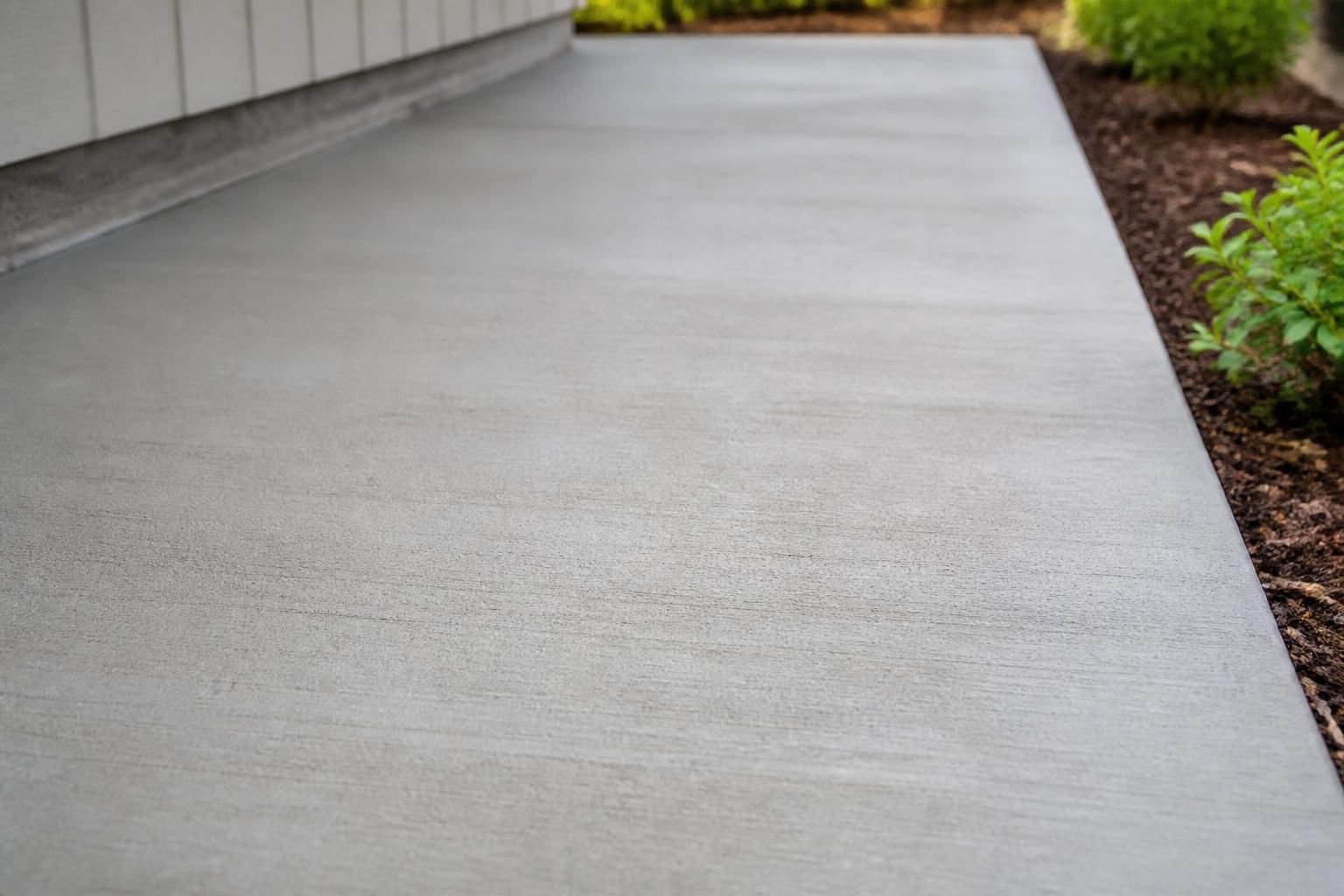
Chesapeake Solid Foundation Repair offers concrete lifting in Chesapeake, VA. Sinking concrete does more than look rough. It leaves walkways uneven, makes steps feel awkward, and turns driveways or patios into trip points that get worse over time. Around Chesapeake, settled slabs often start with small dips, then become cracks, pooling water, and edges that catch shoes or tires.
If you are seeing those changes around your home, Chesapeake Solid Foundation Repair can take a close look and explain what is happening. We lift settled concrete and address the conditions underneath so you get a safer surface and a clearer understanding of the cause, not just a patch over the symptom.
Concrete usually settles because the soil beneath it has moved, washed out, compacted, or lost support. When that support changes, the slab drops into the space below. The result can be a noticeable tilt, a sunken corner, or a series of low spots that collect water after rain.
Homeowners often notice the problem first at the places they use every day. That may be a front walk, a porch step, a driveway panel, a sidewalk section, or a patio slab near the home. Once concrete starts moving, the gap beneath it can grow and the surface can keep shifting.
Concrete lifting is designed to raise settled slabs back toward their intended height and support them from below. The goal is to restore a smoother, safer surface without tearing out the entire section when lifting is a suitable option.
At Chesapeake Solid Foundation Repair, we begin by inspecting the slab, the surrounding grade, and the visible signs of movement. That helps us determine whether the concrete can be lifted and what may be contributing to the settlement. Some areas need lifting alone. Others need added attention to drainage, soil support, or nearby structural concerns.
We look for settling patterns, cracks, drainage concerns, and signs that the soil underneath has shifted.
We tell you what we see in plain language so you understand why the concrete moved and what can be done about it.
We raise the slab carefully to reduce the drop and bring the surface closer to level.
We confirm the slab now sits more evenly and review any next steps that may help protect the area.
Concrete lifting can make a real difference on the surfaces homeowners use every day. It is especially useful where a settled slab creates a safety concern or a drainage problem near the house.
We often evaluate these areas for lifting:
If the concrete is part of a larger movement pattern, we will point that out during the inspection. That matters because lifting the slab alone may not solve the underlying soil or drainage issue if the ground keeps changing.
In Chesapeake, homes often sit on ground conditions that can change under load and moisture. When the soil beneath concrete shifts, settles, or erodes, the slab loses support. That support loss is what creates the sunken look and the uneven edge.
The problem does not usually happen all at once. Small changes below the surface build over time until the concrete starts to show it. A slab that once looked fine may begin to tilt, crack, or dip at one corner, especially where water collects or runoff moves along the edge.
Not every damaged slab needs replacement. If the concrete is still structurally workable, lifting may be a practical way to correct the height and improve the surface. The right answer depends on the slab condition, the size of the settlement, and the source of the movement.
A lifting recommendation often makes sense when the concrete is:
When replacement would be more appropriate, we say so. Our job is to help you choose the option that matches the condition of the slab rather than forcing a one-size-fits-all answer.
A concrete lifting visit should leave you with a clearer picture of what is happening and what the surface needs. We keep the process straightforward and focused on the actual problem beneath the slab.
You can expect us to examine the area, talk through the visible signs, and explain whether the slab appears to have settled because of soil movement, drainage, or another support issue. If there are nearby foundation or crawl space concerns that connect to the concrete movement, we will let you know what we see.
Concrete problems rarely happen in isolation. A settled walkway may be tied to runoff. A sinking driveway panel may point to soil movement near the home. A patio that dips toward the house can even direct water where you do not want it.
That is why Chesapeake Solid Foundation Repair looks at the slab and the surrounding conditions together. If the area around the concrete is contributing to the movement, addressing only the visible dip may not be enough. We help you understand the full picture so the fix matches the cause.
This is especially important when concrete settlement appears near a crawl space entry, along the side of the home, or beside areas that already show moisture or structural stress. Catching those connections early can help you avoid larger problems later.
Homeowners contact us when a small dip has become hard to ignore. Sometimes it is a front walk that catches feet. Sometimes it is a driveway edge that makes parking awkward. Sometimes it is a patio that collects water after every rain. Whatever the surface, the concern is often the same: the slab keeps moving, and they want to know why.
Chesapeake Solid Foundation Repair serves homeowners across Chesapeake with concrete lifting, foundation inspection, structural foundation repair, floor repair, crawl space repair, crawl space encapsulation, crawl space mold & moisture removal, crawl space water removal & drainage, crawl space vapor barrier & insulation, sump pump installation & repair, basement waterproofing, and concrete lifting. For concrete settlement, the focus stays on finding the source and giving you a workable path forward.
Sunken walkways, driveways, and slabs are common in Chesapeake because flatwork sits shallow on soft, moisture-prone coastal soil that settles as the water table shifts. Poor drainage and the region's wet ground accelerate it. We lift and stabilize the concrete and address the drainage beneath it, so the repair holds on ground that stays damp much of the year.
We look at the slab condition, the amount of settlement, and whether the concrete still has enough integrity to adjust. A close inspection tells us whether lifting is a practical option or if another solution makes more sense.
Lifting can improve the height difference that contributes to cracking, but not every crack disappears. Some cracks remain visible even after the slab is raised, especially if the break is old or wide.
Yes. Concrete settlement can be tied to drainage, soil movement, or nearby structural concerns. That is why we inspect the area around the slab, not just the low spot itself.
Walkways, driveways, patios, and porch areas often show settlement because they are exposed to water runoff, shifting soil, and repeated weight. Transition points around the home are especially worth watching.
No. It is often smarter to address the problem once the settlement becomes visible, before the uneven area gets larger or creates more cracking and drainage trouble.
Try to note where you see sinking, cracking, or standing water, and point out any areas that feel unsafe or uneven. That helps us focus the inspection and explain the cause more clearly.
If your concrete has settled and the surface no longer feels even, Chesapeake Solid Foundation Repair can inspect the problem and help you decide on the next step. We work with Chesapeake homeowners who want a clear answer, a practical solution, and a surface that is safer to use.
Call +17579086395 to schedule an inspection.
Get Started
Share what you are seeing in your home, and we will help identify whether the issue is coming from settlement, moisture, drainage, or crawl space damage.