Chesapeake Solid Foundation Repair offers structural foundation repair in Chesapeake, VA. Cracks that keep widening, doors that stick, or floors that slope more than they used to can point to structural foundation trouble. If you are noticing those changes at your Chesapeake home, the problem may be more than cosmetic, and it is worth getting it looked at before the movement spreads.
Chesapeake Solid Foundation Repair can inspect the structure, explain what is happening, and recommend the right repair path for your home. For many local houses, settlement, shifting support, and moisture-related stress show up first as uneven floors, cracked walls, or gaps around trim. A careful evaluation is the first step toward stopping further movement.
Structural problems rarely appear all at once. They tend to build slowly, which makes them easy to dismiss until the symptoms become hard to ignore. If you have been seeing changes around the house, the structure may be telling you something important.
These warning signs do not always mean the same repair is needed, but they do mean the structure deserves attention from someone who knows how to trace the cause, not just the symptom.
Structural foundation repair is about correcting movement and restoring support. In Chesapeake, homes often deal with conditions that stress crawl spaces, slabs, and foundation materials over time. Moisture, settlement, and load transfer problems can all contribute to damage.
When parts of a foundation settle unevenly, the frame above it can twist, dip, or separate. That movement may show up as sloping floors, cracked finishes, or door frames that no longer sit square.
Excess moisture can weaken materials, affect soil conditions, and make structural issues worse. Crawl space water intrusion, humidity, and poor drainage can all create conditions that strain floor supports and foundation components.
Sometimes the issue is not the soil alone. Beams, joists, posts, or other support members can weaken over time, leading to sagging floors and uneven load distribution through the home.
Chesapeake Solid Foundation Repair starts with a thorough inspection so we can find the source of the problem and avoid guesswork. A structural issue needs a clear diagnosis, because the repair should address the reason the home is moving, not only the most obvious damage.
That approach helps homeowners make a confident decision. If your home needs structural foundation repair, you should know why, where, and what the repair is meant to achieve.
Every home is different, but structural foundation repair often centers on restoring support and reducing movement. The right solution depends on the type of damage and how far the issue has progressed.
Cracks can be more than a surface concern when they reflect movement through the structure. We assess whether the crack is tied to settling, stress, or another condition before recommending the repair path.
If your floors are sagging or uneven, the cause may be below the living space. Floor repair can help restore support where framing has weakened or shifted, improving the feel and stability of the home.
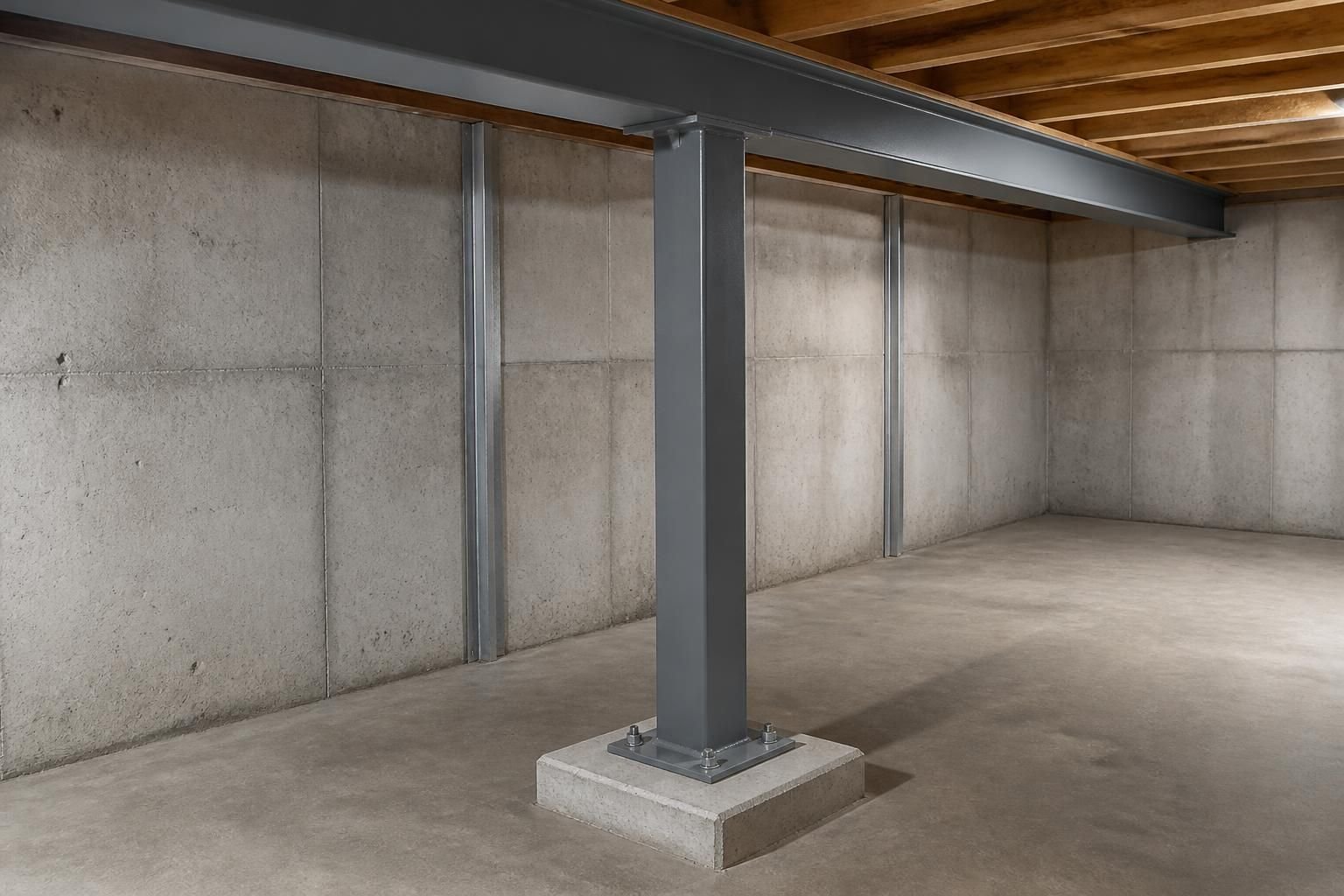
Some homes need reinforcement where load-bearing members are not carrying weight as they should. That may involve repairing or restoring support so the structure can bear the home more evenly.
Depending on what we find, the work may also connect with crawl space repair, moisture removal, or drainage improvements when those conditions are contributing to the structural problem.
Many Chesapeake homes rely on crawl spaces, which means structural issues often start below the living area. If the crawl space is damp, poorly sealed, or showing signs of standing water, the structure above can suffer.
That is why structural foundation repair often works best alongside crawl space repair, crawl space encapsulation, crawl space vapor barrier and insulation, or crawl space water removal and drainage when needed. Treating the space below the home can help protect the work above it.
Chesapeake homes face conditions that make structural concerns common enough to take seriously. The combination of coastal ground, high water table, and persistent humidity can put steady pressure on foundations and crawl spaces. Over time, that stress may lead to cracks, uneven floors, or support members that no longer perform as they should.
Because many homes here are built on crawl spaces or slabs rather than basements, structural foundation repair often centers on the frame, support system, and moisture conditions beneath the house. A local evaluation matters because the right repair depends on understanding how these homes are built and how they respond to the environment around them.
Repairing structural movement does more than reduce visible damage. It helps bring stability back to the home and limits the chance that the same problem will continue to spread.
For many homeowners, that clarity is just as valuable as the repair itself. Once you know what is driving the problem, it becomes easier to move forward with confidence.
Chesapeake's low, flat terrain and high water table mean many structural problems come from footings settling into soft, moisture-laden soil near tidal creeks and the Dismal Swamp fringe. With Hampton Roads seeing the fastest relative sea-level rise on the East Coast, drainage and groundwater only add to the load. Our structural repairs stabilize the foundation on competent support and pair that work with the moisture and drainage control this coastal setting requires.
Uneven settlement, moisture-related wear, weakened supports, and crawl space conditions are common causes. The exact source depends on the home and where the movement is showing up.
No. Some cracks are minor, while others point to active movement. The pattern, location, and whether the crack is changing over time help determine the concern.
Doors can stick when the frame shifts out of square. That can happen even before other visible signs become obvious, especially if the structure is moving slowly.
Yes. Excess moisture can affect wood components, support conditions, and the overall stability of the floor system above the crawl space.
We look for movement patterns, support problems, and signs that the damage is changing. Cosmetic cracks usually behave differently from cracks tied to settlement or load issues.
Make note of the symptoms you have noticed, such as sticking doors, sloping floors, or cracks that are getting larger. That information helps us focus the inspection quickly.
If you suspect structural foundation trouble, do not wait for the symptoms to become harder to ignore. Chesapeake Solid Foundation Repair offers careful inspections and straightforward recommendations for homeowners across Chesapeake. Whether the concern is settlement, floor movement, foundation cracking, or support damage tied to crawl space conditions, we are ready to take a close look and explain what should happen next.
Chesapeake Solid Foundation Repair
555 Belaire Ave #210, Chesapeake, VA 23320
Phone: +17579086395
Get Started
Share what you are seeing in your home, and we will help identify whether the issue is coming from settlement, moisture, drainage, or crawl space damage.